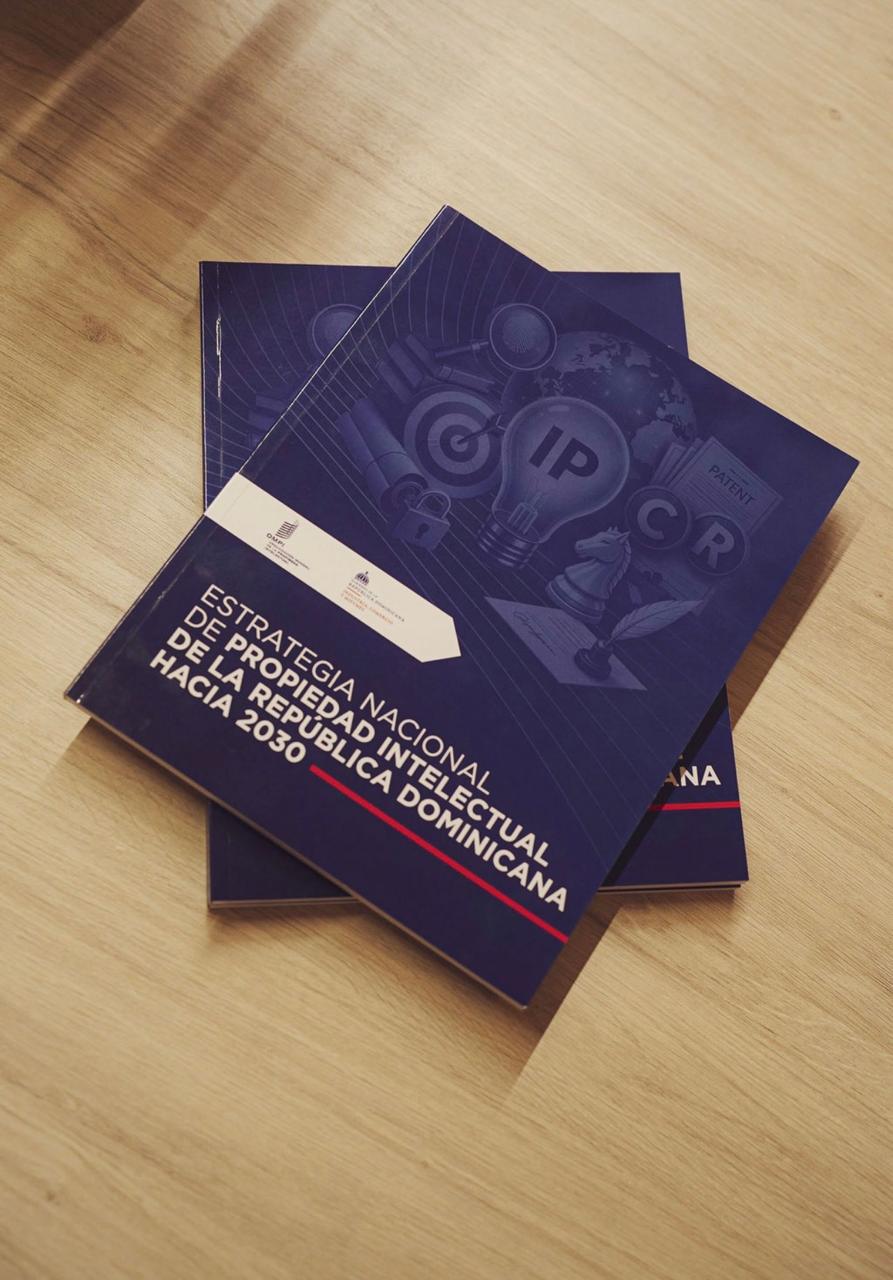
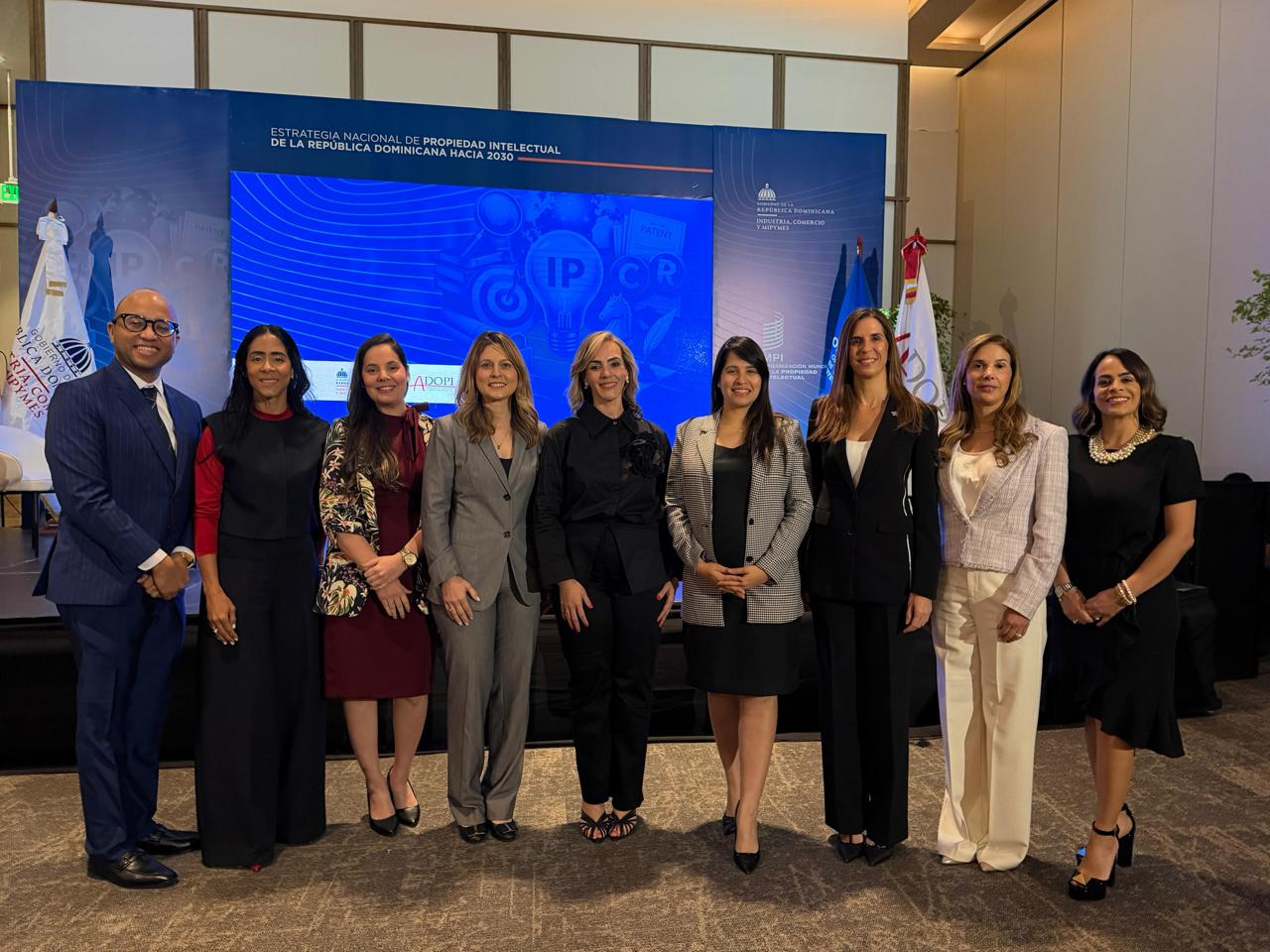
Presentation of the National Intellectual Property Strategy – ENPI 2030 in the Dominican Republic
13 Mar 2026 | Newsletter

The Dominican Republic has taken a strategic step toward consolidating its knowledge-based economy with the official launch of the National Intellectual Property Strategy (ENPI) 2030. This instrument not only updates the country’s vision for intellectual property but redefines its role as a catalyst for innovation, competitiveness, and sustainable development.
In a global context where intangible assets represent an increasing share of corporate value, ENPI 2030 positions intellectual property as a cross-cutting public policy pillar, integrating industry, trade, culture, technology, higher education, and exports into a coherent national framework.
“Intellectual property is the invisible infrastructure that sustains innovation, protects talent, and transforms ideas into economic growth.”
The strategy addresses emerging challenges of the digital economy, including artificial intelligence, technological transformation, creative industries, university technology transfer, and modern mechanisms for the commercialization of intangible assets.
Beyond strengthening registration systems and procedures, ENPI 2030 aims to build institutional capacity, improve interagency coordination, and foster a culture that values innovation across all levels of the productive ecosystem.
Strategic Pillars of ENPI 2030
The strategy is structured around key pillars aimed at strengthening the legal framework, enhancing institutional management, promoting technology transfer, encouraging the strategic use of intellectual property by SMEs, and advancing the protection of geographical indications and distinctive national assets.
A critical component is the effective integration between universities, research centers, and the productive sector, fostering the commercialization of research results and the creation of knowledge-based spin-offs.
“The true impact of a national strategy is measured not by its design, but by its sustained implementation and its ability to generate tangible results.”
Participatory Process and Governance
ENPI 2030 was developed through a multisectoral process involving public institutions, private sector representatives, academia, and international organizations. This collaborative approach ensures legitimacy, sustainability, and alignment with the real needs of the Dominican innovation ecosystem.
The leadership of the Ministry of Industry, Trade and MSMEs (MICM), with technical support from WIPO, enabled the consolidation of a comprehensive vision that articulates industrial policy, innovation, and intellectual property under a unified national roadmap.
Intellectual Property as a Driver of Development
ENPI 2030 is grounded in a clear premise: intellectual property is not an end in itself, but a strategic tool to drive productive development. From strengthening exporting SMEs to energizing creative industries, effective protection of intangible assets becomes a key enabler of competitiveness.
The Dominican Intellectual Property Association (ADOPI)[1], reaffirm the commitment to serve as a technical bridge between the public and private sectors, supporting the implementation of the strategy and promoting a business culture that incorporates intellectual property as a central asset within corporate strategy.
The challenge ahead is clear: implement, measure, adjust, and sustain. Strategies define direction; real transformation comes from consistent and coherent execution.
[1] The author of this newsletter is member of the Board of Directors of ADOPI and AIPPI CA-CARIB.