3rd edition of AMCHAM’s IP Summit in Guatemala – From Commitments to Real Protection
29 Oct 2026 | Newsletter

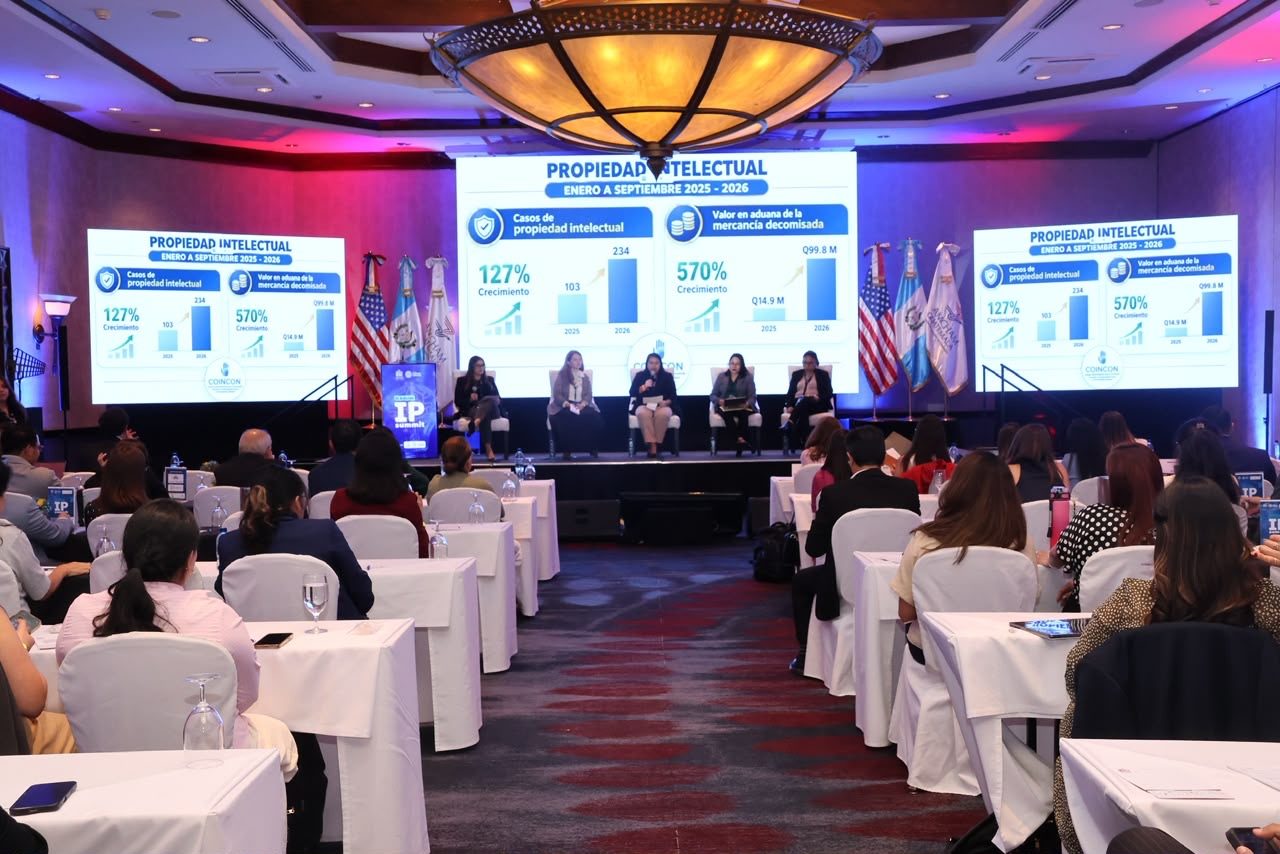
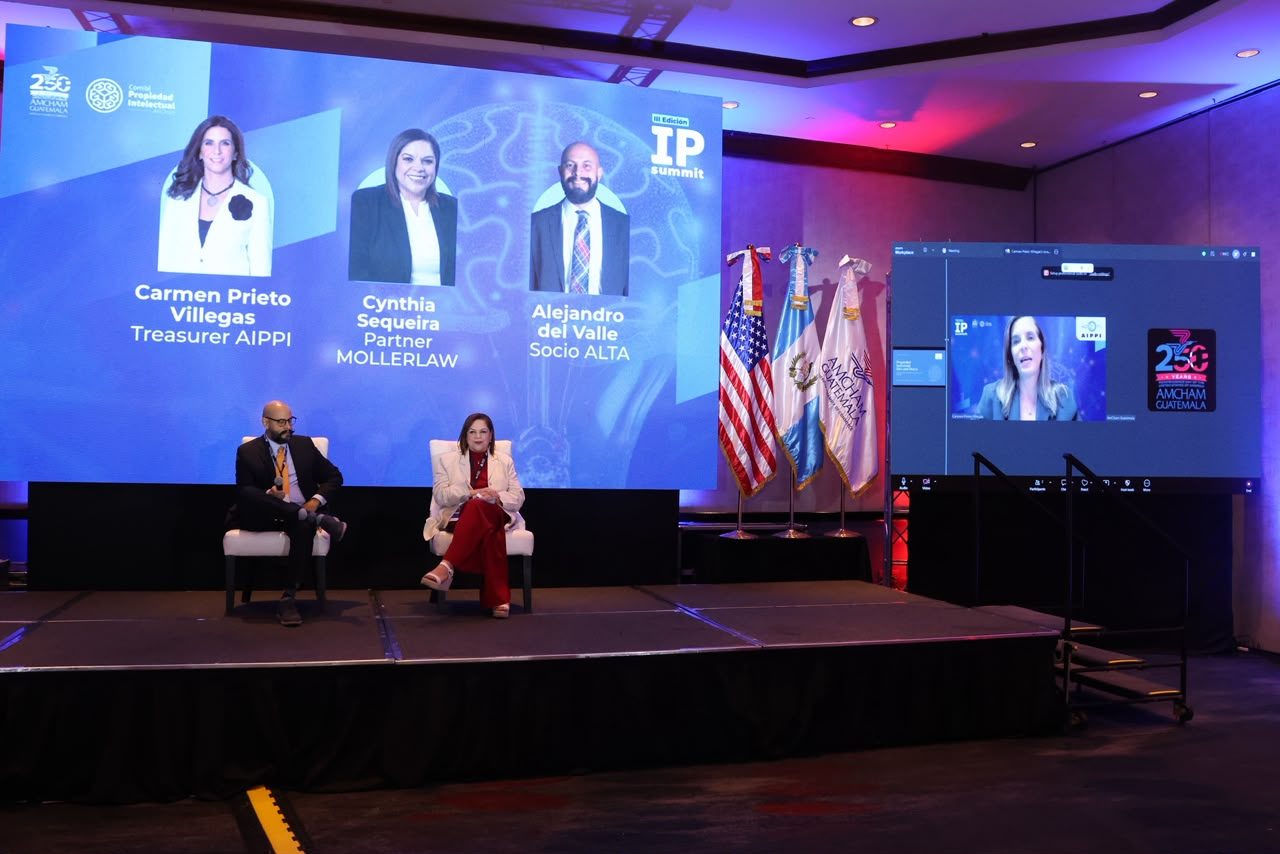
On 13 October 2026, Guatemala City hosted the 3rd IP Summit, organized by the Intellectual Property Committee of AmCham Guatemala. What began as an ambitious project has become a reference forum for the country’s IP community, gathering government, practitioners, rights holders and industry for a full day of technical exchange. In a region where intellectual property is still too often seen as a formality, the Summit’s greatest contribution is simple: it encourages the people to register, enforce and rely on rights in the same room.
A programme built around the whole IP ecosystem
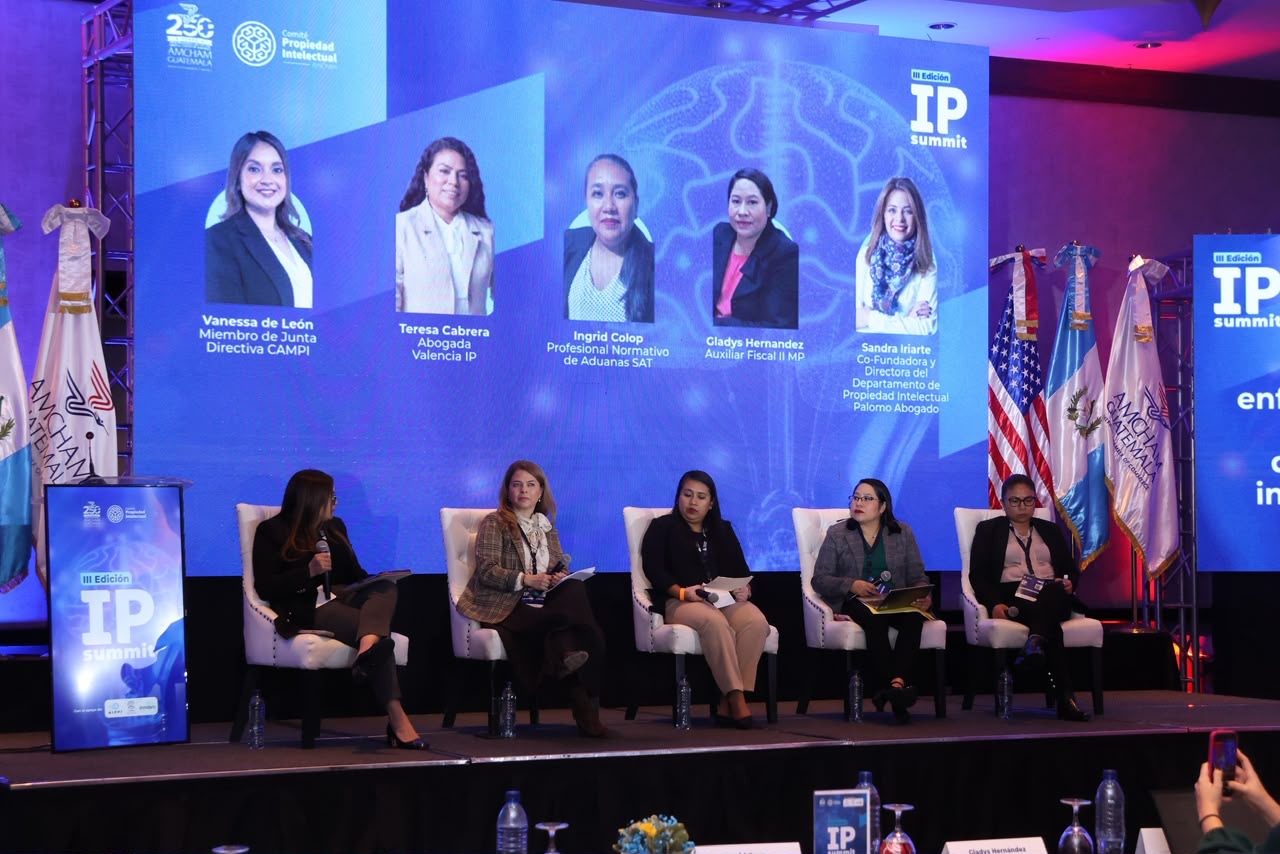
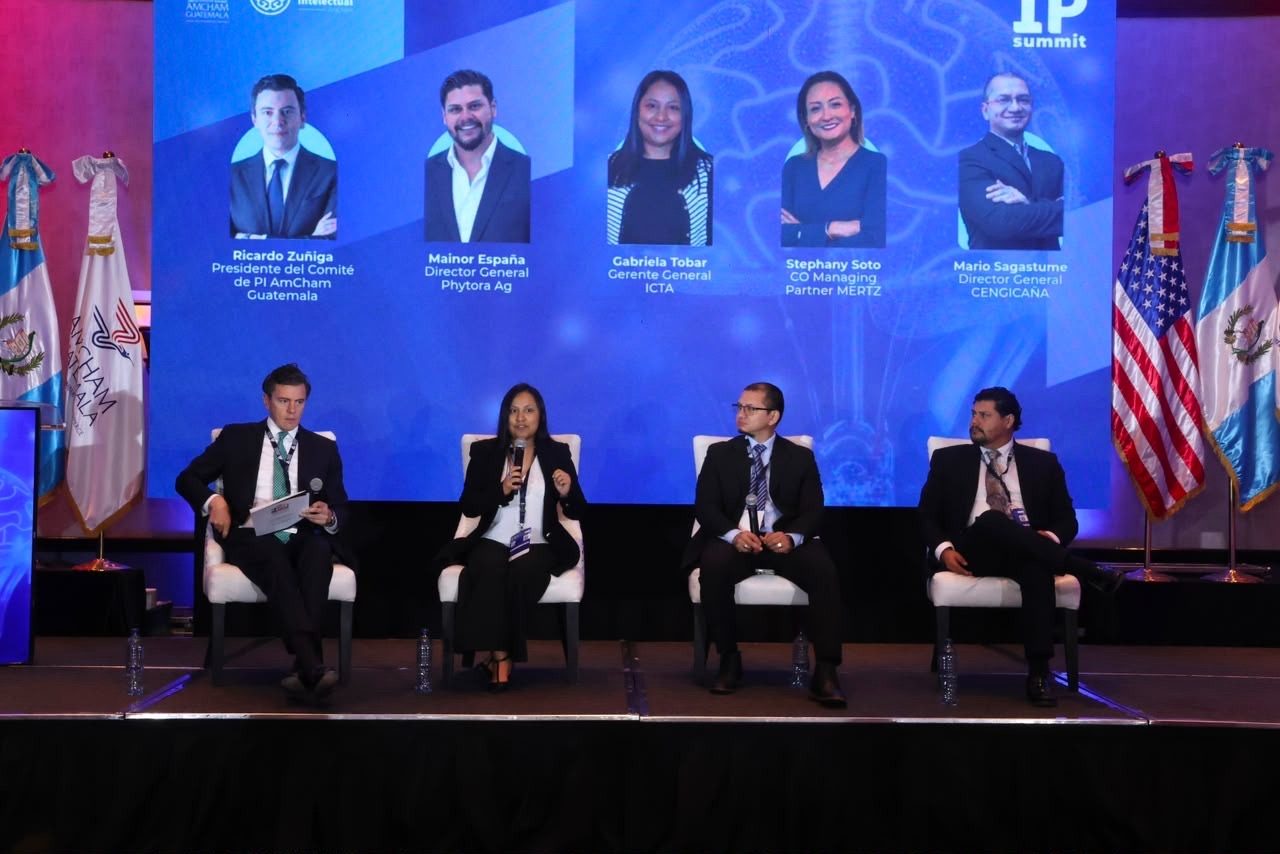
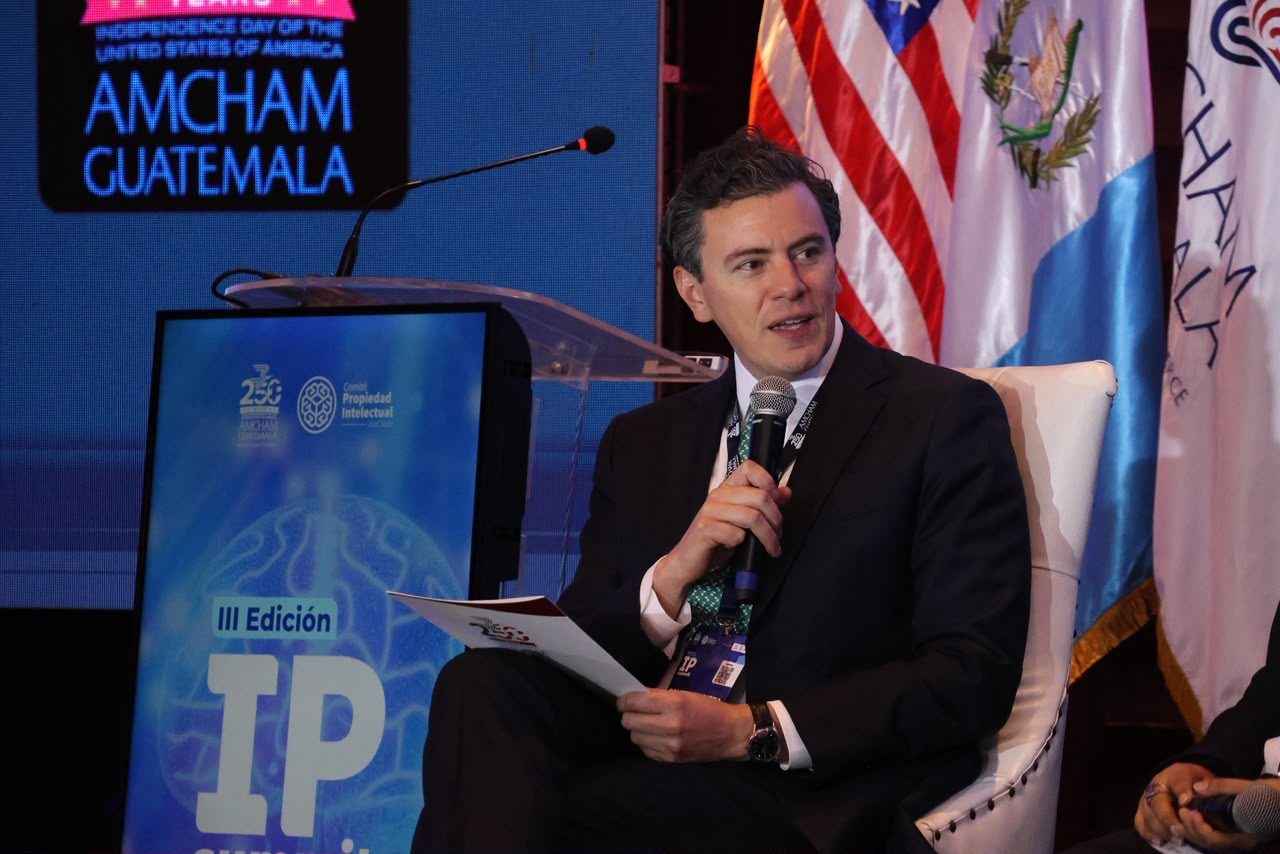
The day opened with welcome remarks from Waleska Sterkel de Ortiz, Executive Director of AmCham Guatemala, and from Ricardo Zúñiga Viteri, President of the Committee. Institutional greetings followed from Sara Larios, Vice Minister of Registry Affairs at the Ministry of Economy, and Astrid Sosa, Registrar of Intellectual Property, with authorities from the U.S. Embassy also present. An introductory workshop set a common baseline, and the technical sessions covered the Registry’s technological measures; plant variety protection (with Phytora Ag, ICTA and MERTZ), intellectual property enforcement (with Valencia IP and the IP prosecutor’s office of the Attorney General’s Office), patents, and the role of digital service providers (with LEX ATLAS, TMI Abogados and Aprodica). Seating registry officials, prosecutors, breeders, platforms and private counsel at the same table was deliberate.
Trade commitments: from signature to application
The Summit took place against a significant backdrop. Under the Reciprocal Trade Agreement with the United States, aimed at reducing tariffs on Guatemalan exports, the country assumed twenty-three IP commitments, including adherence to thirteen international treaties. Guatemala has already signed eight, yet several still do not apply due to lack of implementing legislation. The message was that signing new instruments before applying those in force enlarges the problem rather than solving it. Because the wording of several commitments admits broad interpretation, early quick wins, backed by verifiable data and a documented policy, are the best guarantee that Guatemala’s intent to comply is understood. The closing session on priorities and next steps, with Ninoshka Urrutia of Consortium Legal, Ivón Hernández of Arias Law and Sandra Iriarte from Palomo Abogados, turned these commitments into a working agenda built on four priorities.
Four priorities for the road ahead
- Technology and IT infrastructure at the Guatemalan Patent and Trademark Office. Digital modernization of the Registry is the foundation for faster examination, reliable data and the verifiable evidence of progress that the commitments call for.
- Protection of plant varieties. Recognizing breeders’ rights rewards innovation in a sector where Guatemala has real strengths, and it requires a legal framework that is applied in practice, not only signed.
- Processes and systems for enforcement operations. Clear procedures, case tracking and reliable data make enforcement faster, more consistent and measurable.
- Inter-institutional cooperation. The Registry, prosecutors and other authorities, together with the private sector, must work under shared protocols, because no single agency can enforce rights alone.
AIPPI at the table
The Committee was pleased that Carmen Prieto Villegas took part on behalf of the Central American and Caribbean regional group of AIPPI. Her presence was a reminder that the questions Guatemala faces, from treaty implementation to plant variety protection and the responsibilities of digital intermediaries, are shared across the region and benefit from the comparative perspective AIPPI offers. Local forums and the international network reinforce each other.
Intellectual property is a quiet asset, rarely visible on a balance sheet, yet often a company’s most valuable one. The task for practitioners is to narrow the gap between the potential Guatemala has and the actual IP enforcement/protection status. Credit is due to the AmCham Guatemala team, the Committee members who give their time as volunteers, and the sponsors, and the Committee looks forward to continuing the conversation.